The Society of the Spectacle, Extended
From Visual Performance to the Alienation and Fatigue of Thought
景观社会的延伸
从「视觉表演」到「思维叙事」的异化与疲劳
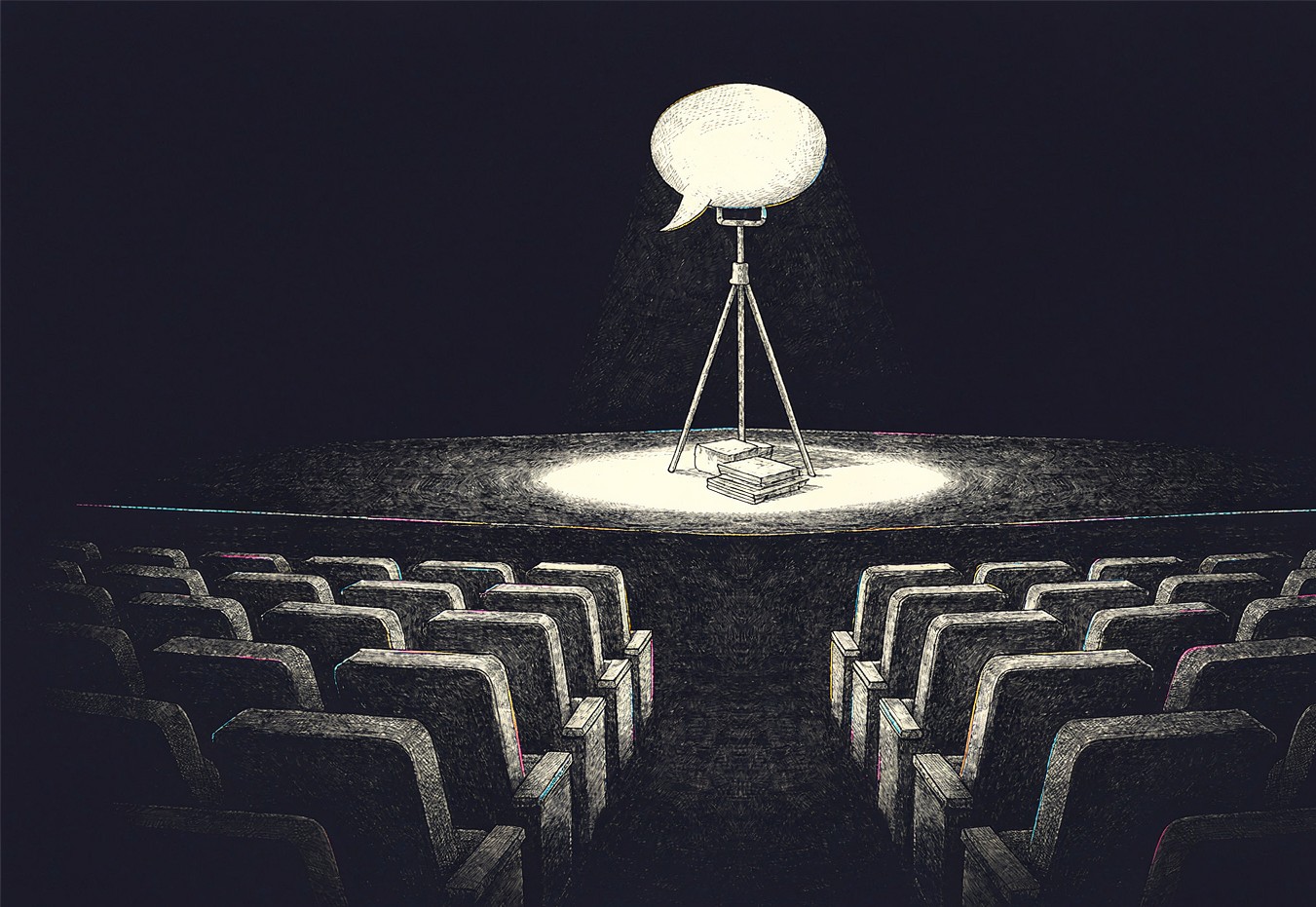
In *The Society of the Spectacle* (1967), Guy Debord summed up the evolution of modern society in three steps: from 'being' down to 'having,' and finally retreating to 'appearing.'
All effective "having" must derive its immediate prestige and its ultimate reason for existence from its appearance.
This framework has been used for many years, mostly to look at short videos, ads, and traffic. But it can hold more than those. Today it is not only a person's image that has been dragged into the "appearing" layer, but also a person's thinking — even how you understand yourself and how you organize a sentence now gets adjusted to whether it "looks good."
1. Short video and "narrative": two faces of the same spectacle performance
People habitually view short video and "narrative" separately: one is vulgar visual stimulation, the other is deep theoretical packaging.
From the angle of the society of the spectacle, the two are one family, only the organ of performance differs. Short video performs the body and the image — using bizarre plots and exaggerated emotion to pull life out of everyday order and process it into a consumable visual commodity. "Narrative" performs thought and language — a person no longer experiences life directly, but wraps experience in a framework at every turn. Talking about "underlying logic" and "track" in the workplace, "persona" and "growth pain" on social platforms — all of it is essentially performing thought for others to watch.
The two performances do the same thing: replace "life itself" with "a performance put on for others." "Life is a play" was once a lament, but when even thinking and memory have to be fitted with a good-looking script, a person truly moves into the "appearing" layer.
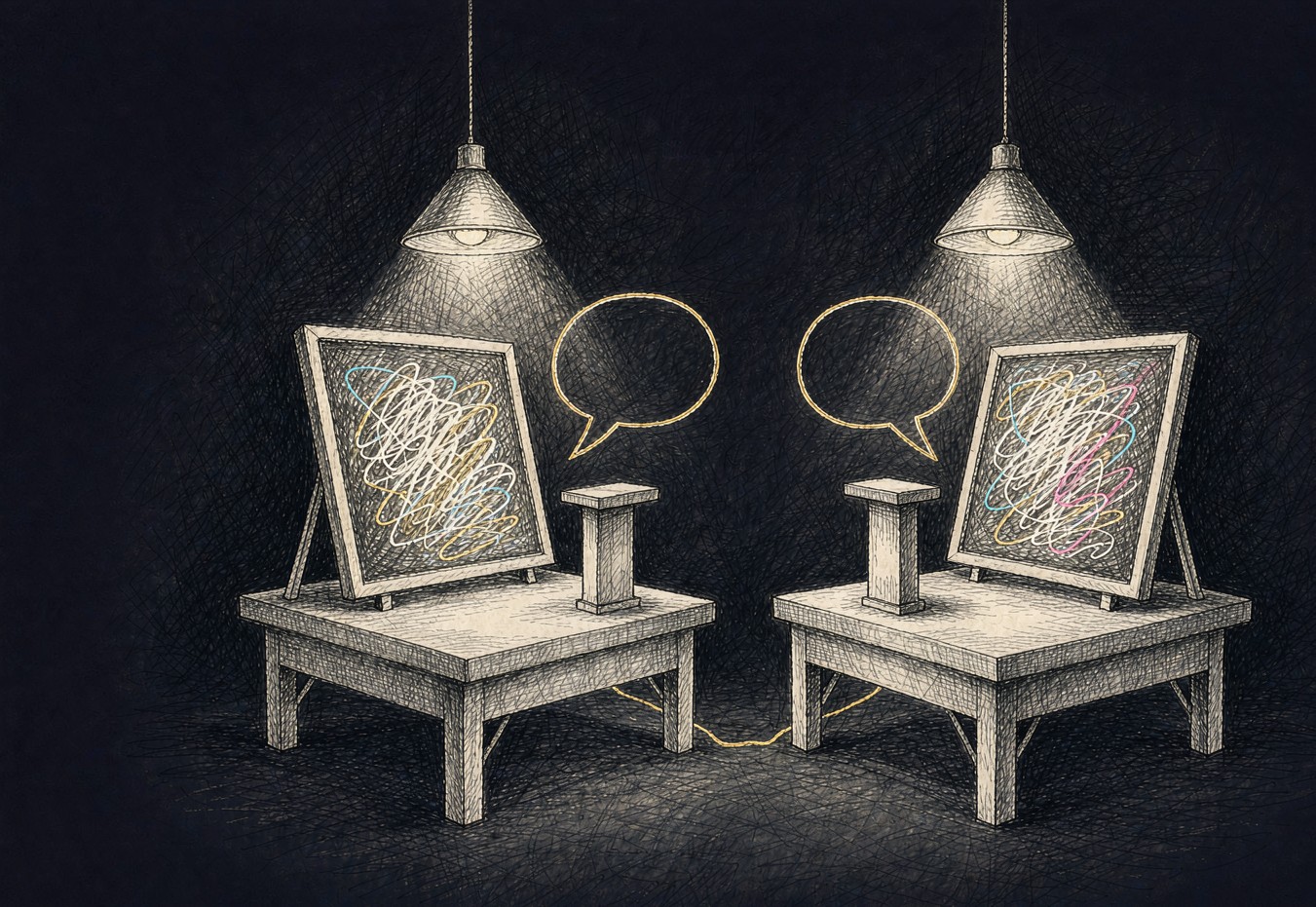
So of all the things you said today, how much was you thinking, and how much was you performing?
2. How cognitive performance works: life gets "scripted"
Under the logic of "narrative as performance," real experience gets its feet cut to fit the shoes.
Originally, cognition should be built on real feeling: pain is pain, confusion is confusion — they are often messy and without cause. But driven by narrative fever, people begin to force a script onto every encounter. Two common moves stand out.
One is using renaming to solve real problems. Unemployment and the ache of transition are heavy and concrete, but in a performance of thought, just rename them "a gear-shift in one's life narrative" or "a necessary stage of self-reinvention," and the problem seems solved at the level of language.
The other is turning oneself into the audience of one's own story. While living life, a person keeps a director standing in their head; every choice is made not for "do I really want this," but for "does this fit my personal narrative." One becomes an actor in one's own story, one layer removed from life.
Both moves are very cheap: the name changes, the thing doesn't move. But renaming takes a second; actually doing takes years. The last time you renamed a hard problem, were you solving it or postponing it?
3. From short-video fatigue to "narrative fatigue": the inevitable rebound of leaving life
The short-video industry is now hitting a wall: fatigue. When hosts push scripts, reversals, and novelty to the limit, audiences gradually see through this trick that has left reality behind, and begin to develop immunity to — even aversion toward — over-processed visual spectacle.
"Narrative" most likely cannot escape the same road.
When every business model tells a "grand narrative," every individual tells a "personal narrative," and new words keep being minted set after set, people will sooner or later discover: these carefully packaged cognitive scripts cannot substitute for a real meal, an honest handshake, or that clumsy, rough, but genuine feeling.
The trouble is that the ubiquitous performance of thought wears down not only the spirit, but the connection between a person and the real world. Just as over-performed short video ultimately leaves one empty, "over-narration" will ultimately nauseate.
A medicine taken too much loses its effect; a word overused goes bad. So on the day "narrative" also becomes nauseating, will we just swap in a new word and perform the same thing once more?
4. The way out: strip away the spectacle, return to "direct lived experience"
Debord proposed "the spectacle" not to make people despair, but to call back "lived experience."
Breaking free of narrative performance does not mean giving up language and thought entirely, but separating "tool" from "substance." Two things are worth considering.
One is allowing life not to be a script. Life need not be a seamless film ready for an award at any moment. Allow it to have meaningless fragments, and allow yourself to have confusions and silences that resist logical summary.
The other is not rushing to explain the present. When an emotion just rises, don't immediately stick a label on it — "growth," "setback," "cognitive upgrade." Feel it first, instead of performing it first.
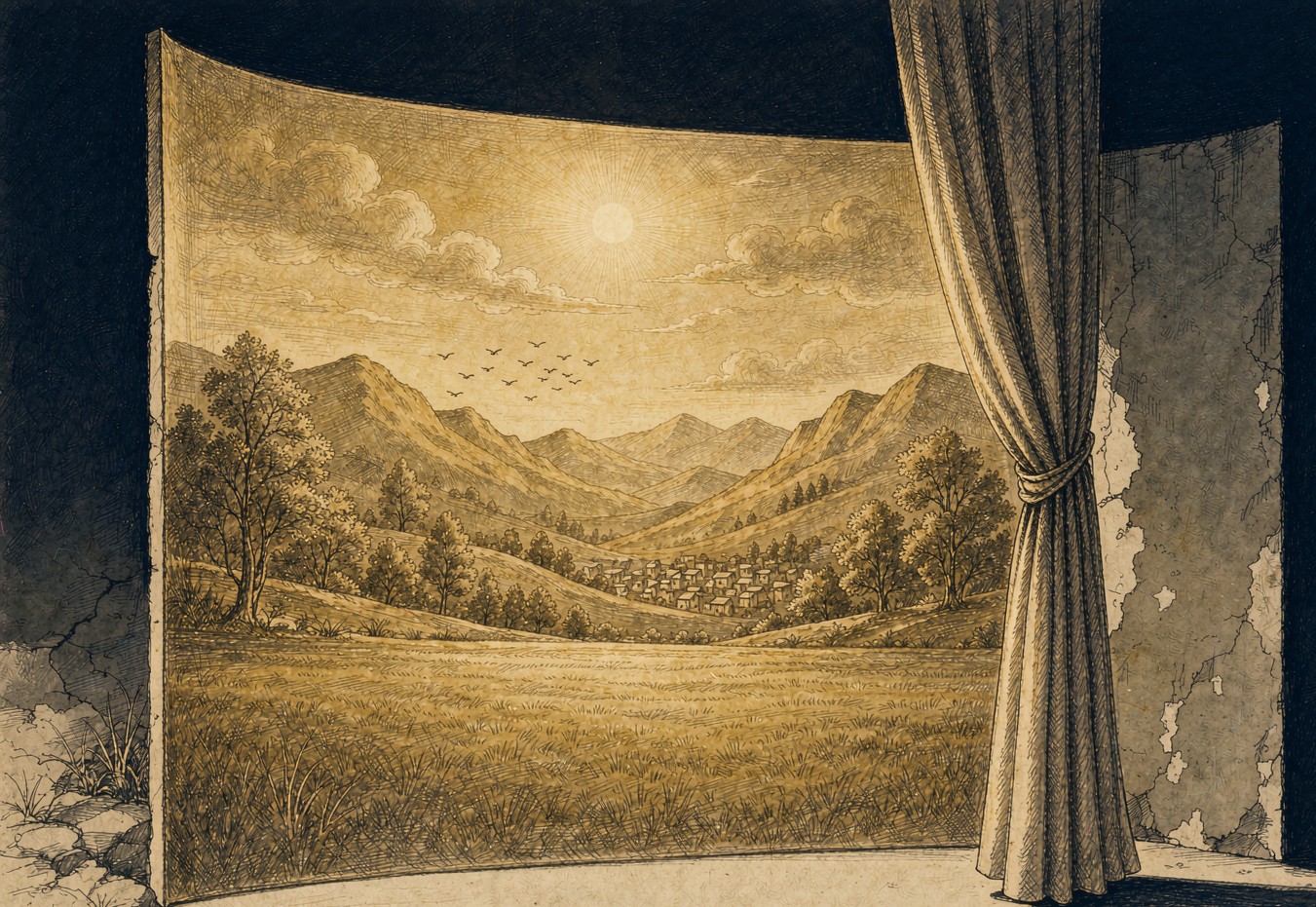
The fatigue with short-video performance is the disenchantment of the visual spectacle; the reflection on narrative abuse is the awakening of the cognitive spectacle. It's just that both are still very new — no one has walked them to the end, and no one knows how long the walk will take. And if the self that remains after stripping away all the explanations doesn't look so good — do you still recognize him?